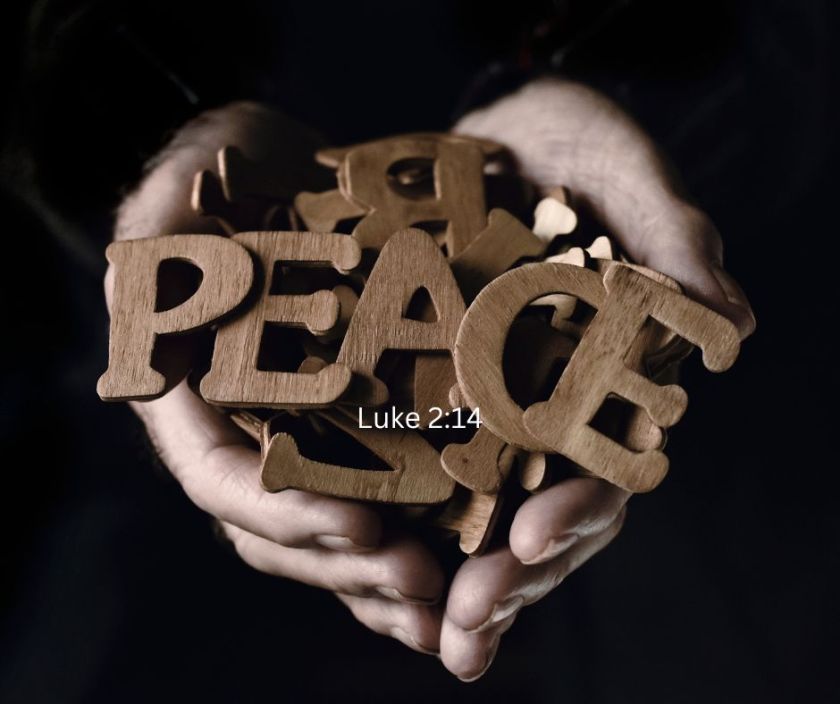
Scripture: God’s Roadmap for Our Journey/Luke 2:14; Romans 5:1-11; Isa 9:6
“Glory to God in the highest, and on earth peace among people with whom He is pleased!”
Luke 2:14
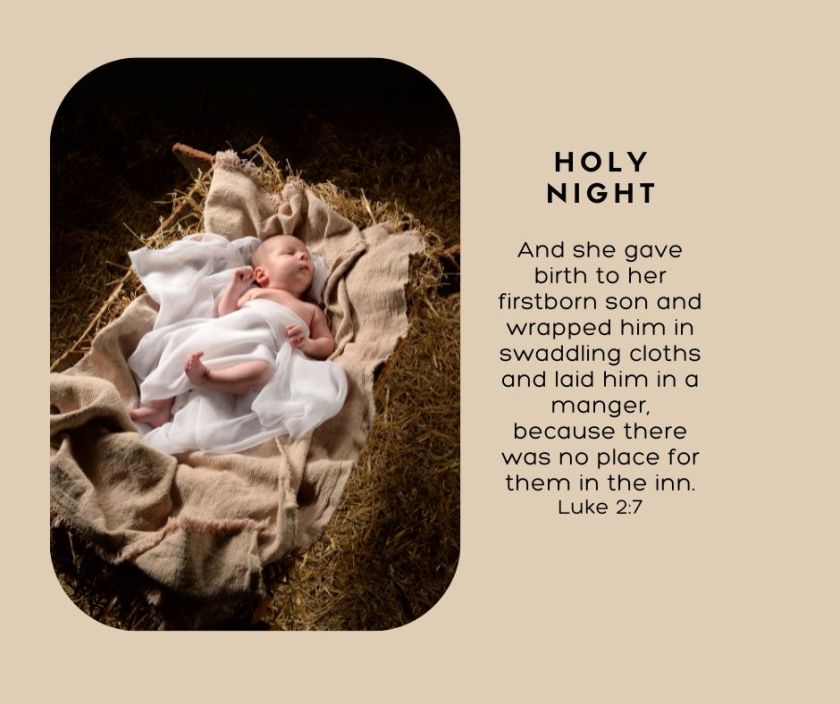
Oh, the utter beauty of God’s Word and love! How it shines through from the first words of today’s passages to the last. Or perhaps I should say from the last words to the first … as it was Isaiah who wrote about the child who would be born – and be called the Prince of Peace – long before Luke penned the words to the story of the virgin Mary giving birth to her firstborn son in a little town called Bethlehem, and laying him in a manger. It was a story that included not only the angel’s declaration to shepherds in a nearby field but also the song of the angel and the heavenly host “praising and worshiping God, and acknowledging His supreme majesty and sovereignty.1“
- The Declaration: “For unto you is born this day in the city of David a Savior, who is Christ the Lord.”
- The Song: “Glory to God in the highest, and on earth peace among people with whom He is pleased!”
The child Isaiah prophesied would be called “the Prince of Peace” was the same child that Mary lay in the manger and of whom the angel’s song declared: “Glory to God in the highest, and on earth peace among those with whom he is pleased!”
Paul writes of this peace in Romans chapter five, where we read: “Therefore, since we have been declared righteous by faith, we have peace with God through our Lord Jesus Christ.” (again, the same child that Isaiah and Luke referred to) – What a wonderful thing to know and understand that faith in Jesus brings peace between God and man. We are no longer condemned as our sins deserved, but we are cleansed, set free from the law of sin and death, and given bold access to the throne of our God. The curtain has been torn in two, and we are covered by the blood of Christ, the lamb of God – the Prince of Peace – the baby born of a virgin, wrapped in swaddling clothes, and found lying in a manger just as the angel said.
Paul also writes some of my favorite words in Scripture concerning peace with God. They are found in Romans chapter five, namely verses 8-11. It is here we read that “God demonstrated His own love for us, in that while we were still sinners, Christ died for us.” … being declared righteous through Christ changed our enmity with God to peace. Paul uses one other word that speaks of peace, and that is reconciliation, which infers peace by its very definition – which is the act of causing two people or groups to become friendly again after an argument or disagreement.
For if while we were enemies we were reconciled to God by the death of his Son, much more, now that we are reconciled, shall we be saved by his life.
Romans 5:10
As I observed the Luke 2:14 passage, I remembered something that I noted in an earlier post about the verse, specifically the words, “with whom He is pleased.” It is important to understand here that God’s mercy is available to all who please Him, or as one commentary explains, all who follow His will by believing in/accepting His Son, Jesus.2
- With whom is God pleased?
- How often do we declare, like the angels, declarations of praise and worship toward God?
Prayer of Response to the Journey
Father, my heart rejoices at the peace you have brought to me through Jesus! He truly is my Prince of Peace! May I, like the angel, tell others about Jesus and how to find Him. May I, like the heavenly hosts who appeared to the shepherds, be found giving You the praise and worship You alone are worthy of. May the peace that comes from Christ rule in my heart, for Your Word says that as members of Your body, we are called to live in peace. 💜 – Amen
The More We Know
So, what did Luke mean when he write: with whom is God pleased?” According to Bibleref.com: Most translations of this verse connect the “peace” being proclaimed to God’s pleasure with a certain group. This is alternately phrased as “those with whom he is pleased,” “those on whom his favor rests,” or “people He favors.” The King James translation inverts part of the phrase, indicating a broader “good will toward men.” While the gospel of Jesus Christ is a message of reconciliation and hope (John 3:16–17), that hope is only accessible to those who believe in Him (John 3:18, 36). Accurately translated, the angels are not declaring God’s benevolence to all humanity; they are celebrating His mercy to those who follow His will by accepting His Son (John 6:28–29; Hebrews 11:6).



 Me From the Inside Out