Posted in Bible study, From the Insideout, In His Image, Journey Through The Word, Quiet Time, The Attributes of God

Full of Grace

Today’s Scripture: 2 Corinthians 12:9; 2 Corinthians 8:9; 2 Corinthians 9:8

 Each time he said, “My grace is all you need. My power works best in weakness.” So now I am glad to boast about my weaknesses, so that the power of Christ can work through me.

2 Corinthians `12:9

The Grace of God is the expression of His unmerited favor on all who, by faith, believe in the person and work of Jesus Christ. It is, I believe, the catalyst of His mercy, an expression of His love, and His power at work through me.

God’s grace is the expression of His love toward sinners, a demonstration of favor that is not merely adequate, but abundant.

Jen Wilkin, In His Image – p 86

When I was six I chose to ask Jesus to save me … I don’t remember the actual date on the calendar, but I know that it was on a Sunday morning and where I was sitting in the church. I don’t know exactly what was preached but I know that I knew I wanted to be saved from my sins, and I’m pretty sure the song, “Just As I Am” was playing as I moved forward. God was a part of our family and home. Church was a part of our life, Sundays and Wednesdays, choir practices, VBS, and eventually youth group, falling in love and then walking the same aisle as a bride that I had walked at the age of six to be saved. However, it wasn’t until I was about 26 that I heard a message about the Grace of God. Grace that was more than a means to the free gift of salvation but also the means to live in a relationship with God. Somehow I had missed that we are to “grow in grace and truth.” I had been striving from 6 to 26 to be “godly” and to turn away from “ungodliness” – but often failing and then floundering trying to make it up to God and “do better” – or I would run from Him because I knew, or thought I couldn’t do better – and I was tired of trying. The problem was I had been trying in my own strength rather than in the strength of His grace; I didn’t realize that His grace wasn’t just sufficient for salvation but that it was sufficient for life and godliness as well. What an eye-opener and a blessing that forever changed my life and continues to enhance it every day.

Praying for Grace

Are you struggling to say no to ungodliness? Pray for grace to walk in godliness. Do you have a thorn in the flesh as Paul describes in 2 Corinthians 12:1-10? Pray for God to remove it and for the grace to bear it if He doesn’t. Do you know someone who is unsaved? Pray for them to come to a saving knowledge and know the grace of God through faith. My point is this, while we should not be afraid to ask for God’s grace throughout the course of our lives, we must be careful to remember that the grace of God is never deserved, it is not something we can earn by any means. Loving more, serving more, sinning less … nothing we do or do not do makes us more or less worthy of His grace. I remember the first time I really heard 2 Corinthians 12:9 for what it was – the promised strength of God for the weaknesses of my life. But he said to me, “My grace is sufficient for you, for my power is made perfect in weakness.” Therefore I will boast all the more gladly about my weaknesses, … Oh, the freedom I walked in after that day. Not a freedom to do as I pleased but a freedom to live in His strength and not my own.

Grace does not just teach us to renounce ungodliness, it also strengthens us to do so.

In His Image, Jen Wilken – p92
My Prayer Response:

Father, You are full of grace and compassion and You have spilled it out on me. Your gifts of grace are too much for me to truly understand – But I know it is only through Christ that they are mine. I cherish them, cling to them, and seek to use them for Your glory – In the mighty name of Jesus – amen!

Verses for Meditation

Ephesians 1:3-9

Titus 2:11-14

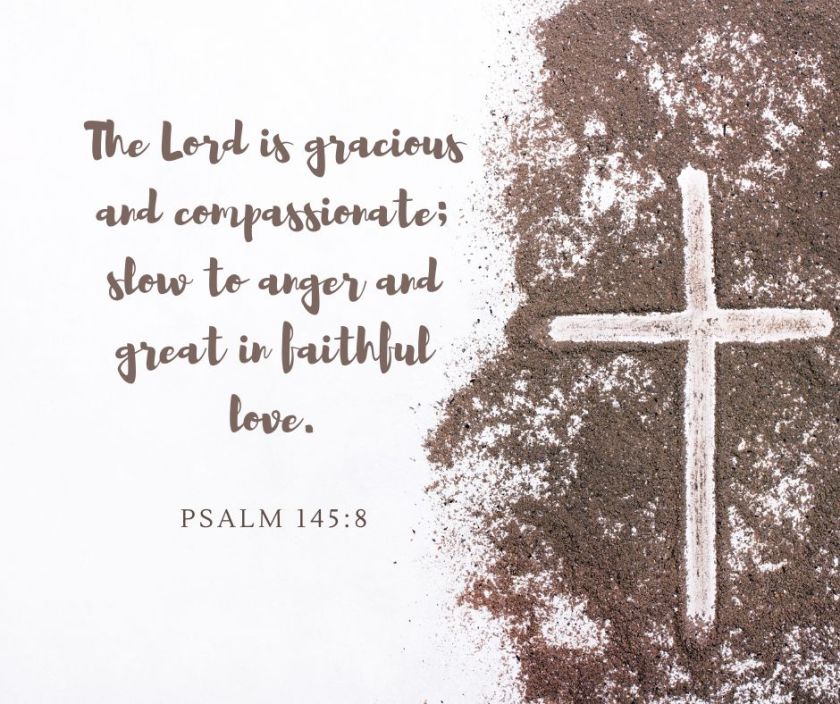
Psalm 145:8

Psalm 116:5-9

Questions for Reflection
  1. Describe a time in your life when you fulfilled the Golden Rule by showing preferential treatment to a difficult person. What was the result? What did you learn about being a follower of Christ?
  2. How should a desire to grow in grace impact our relationship with God positively? How should it impact our relationships with others positively? Give a specific example of each.
Pray

Write a prayer to God thanking Him for the abundant life of grace is yours in Christ. Ask Him to help you be gracious as He is gracious. Ask Him to help you deal generously with others, as one who has been dealt generously with by him. Thank him for making a way through Christ for you to receive grace upon grace.

Listen to the song, Carrie Underwood

Posted in Bible study, From the Insideout, In His Image, Journey Through The Word, Quiet Time, The Attributes of God

Eternally, Purposefully, and Faithfully Good

As I was reading this chapter in the book, an old praise song came dancing through my mind and spilled out into a little praise session. I’ll share the link below but for now here’s the words that are running through my mind as I begin writing today’s devotional –

“God is good, we sing and shout it! God is good, we celebrate!

God is good, no more we doubt it! God is good, we know it’s true.

And when I think of His love for me, my heart fills with praise,

and I feel like dancing. For in His heart there is room for me,

and I run with arms open wide.”

(Don Moen, Now Unto the King Eternal)

I have often said that reading God’s Word is like going on a treasure hunt and finding nuggets of gold, so I was excited when Jen opened her third chapter on God’s goodness with an illustration of a diamond park that had a history of people finding valuable diamonds. She goes on to make the point that the Bible offers us “many gems to be unearthed as we read”. Then she draws our attention to the “gem” of God’s goodness and how “the Bible eagerly places it in plain sight – no digging required”. She describes it as the “brilliant diamond”.

His goodness is not just a theory or descriptive term but it is in every way a reality. One meant to be tasted and seen, and savored – for all that it is. The world’s evilness, the difficult and tragic things we deal with or watch around us will not and cannot change the fact that God is good. ” Likewise all of the good mountain top experiences don’t make Him more good than He was. He is eternally, purposefully, and faithfully good.

Me-from the Inside out

The Bible is filled with evidence of God’s goodness. From the earliest days of creation God declares that what He had done was good. “God sees that the light is good, not as an act of recognition, but as a reflection of His own goodness, originating in Him and issuing from him. God is the source of all good and is Himself wholly good.” So from the earliest diamond fields of Genesis to the last treasure rich fields of Revelations and everything in between – the goodness of our God is on display and ready to be enjoyed – and we’ve been invited to “taste and see that the He is good”, (Ps 34:8). He is good in character and in deed, and He spreads the wealth of His goodness to all who love Him and are called according to His purpose by working all things together for good, that’s right – from the beginning of time He purposefully set about not just being good but doing good – to and for the ones He loves, (Romans 8:28).

Of course, if we want to know what goodness looks like, we only have to look at the perfect example of God’s goodness, His gift of love through Jesus Christ. who, *”radiated perfect goodness in perfect obedience to the Father for the sake of the lost.” Jesus, Himself, offers us the best definition of what goodness is by the way He lived, obedient to the Father and selflessly pouring Himself out in mercy, love, and grace for others. “Just as Christ radiates the goodness of God, so now should we. And according to Him, that goodness should be evident in our lives.” We have been told, when this happens others will see our good works and give glory to God who is in heaven, (Matt. 5:14-15). God should always be the goal of our goodness, by that I mean our goal should be to let our goodness reflect His goodness, let our goodness be purposeful and never selfishly motivated. It won’t be easy – our goodness will bless some but it will surely rub others the wrong way – which is why Scripture warns us not to grow weary in doing good, but if it’s bringing God glory and ultimately yielding fruit, fruit that will bear witness that we are the children of God, the brothers and sisters of Christ – then is it not worth pressing toward the goal of living out godly goodness? (Galatians 6:9; 5:22-25; Romans 8:29)

The key question of our study is “Who should I be?” I believe the answer should always come down to this – I should be who God wants me to be. To know who that is means applying Romans 12:2 to our lives. For to know His will we must “let God transform our mind by changing the way we think.” Paul says, when God does this, we will learn to know God’s good, pleasing, and perfect will. In other words, we need to think and thus act/live like God, who gave us Christ – who Himself is described in Acts 10:38-39, as “[the one who] went around doing good” but then was “put to death – on a tree”. Surely the act of His love was costly, the most costly of all – surely a cost worthy of our praise and imitation.

God anointed Jesus of Nazareth with the Holy Spirit and with power. He went about doing good and healing all who were oppressed by the devil, for God was with him. 39 And we are witnesses of all that he did both in the country of the Jews and in Jerusalem. They put him to death by hanging him on a tree,

Acts 10:38-39

Verses for Meditation
  • Exodus 33:18–19
  • Psalm 25:8–9 Psalm 100:5
  • Nahum 1:7
  • Romans 8:28
  • Galatians 6:9–10
  • James 1:17
Questions for Reflection

1. Which everyday aspect of the goodness of God do you recognize and savor the most? What everyday goodness might you thank him for that you have perhaps overlooked? List several.

2. Describe a time in your life when you were rejected for doing good. What was the result? What did you learn about being a follower of Christ?

3. In what area of your life are you most prone to grow weary of doing good? What relationship or circumstance would benefit most from a renewed determination to be generous with your time, gifts, or possessions?

4. How should a desire to grow in goodness impact our relationship with God positively? How should it impact our relationships with others positively? Give a specific example of each.

Pray

Write a prayer to God thanking him for revealing his goodness to you in your everyday life. Ask him to help you trust his goodness in your current circumstances that are not good. Thank him that the good news of Christ means you are set apart to do good works by the power of the Spirit, which he ordained for you to do. Ask him to shine his goodness through you.

Posted in Bible study, From the Insideout, In His Image, Journey Through The Word, Quiet Time, The Attributes of God

AGAPE, God Most Loving

W1D2 of the study: “Who Should I Be?”, by; Mefromthensideout

Today’s Focus Scripture: Psalm 86:15 and 1 John 4:7-8

But you, O Lord, are a compassionate and merciful God.
You are patient and demonstrate great loyal love and faithfulness.

Dear friends, let us love one another, because love is from God, and everyone who loves has been fathered by God and knows God. The person who does not love does not know God, because God is love.

Psalm 86:15 and 1 John 4:7-8 NLT

Agape is the word used to describe the love of God and it, as all of the other attributes we will study, are a requirement for holiness. The more detailed definition is that “agape is an act of the will, an intelligent, purposeful attitude of esteem and devotion; a selfless, purposeful, outgoing attitude that desires to do good to the one loved.” In other words, as Jen Wilkin goes on to write, “agape does not merely feel, it acts. It is the word Paul uses in Romans 5:8 to describe why God sent His Son, and it is the word Jesus uses in 1 John 4:7 and 8 to teach His disciples to love their enemies – even those who hate them. It is also the term used by Paul in 1 Corinthians 13:4-8, one of my favorite love passages and an absolutely beautiful example of God’s agape/love.

Agape is patient and kind; agape does not envy or boast; it is not arrogant or rude. It does not insist on its own way; it is not irritable or resentful; it does not rejoice at wrongdoing, but rejoices with the truth. Agape bears all things, believes all things, hopes all things, endures all things. Agape never ends.

1 Corinthians 13:4-8

In our first focus verse today (Romans 5:8), the Psalmist writes a wonderful description of Agape, [God’s love] – pointing out that God is compassionate, merciful, patient, and has demonstrated not only a great loyal love but faithfulness.

In the second of the focus verses (1 John 4:7-8), we are given instructions as believers, those who know God’s love [agape], to love others. So serious is the instruction that there is clarification that if we aren’t loving we do not know God – because God is love.

And as we see in the 1 Corinthians passage, verses 4-8, agape is indeed a very purposeful, act of the will to love, a selfless, purposeful, outgoing attitude that desires to do good to the one loved. Actually if we back up to read verses 1-3 of chapter 13 we see the effects of not having agape [God’s love]. Jen writes this commentary on the passage, “If I seek to be holy without agape, I add nothing. I am nothing. I gain nothing.” In other words, we can go through all of the motions of loving others through the gifts God has given us, we can even use our resources to help the poor or give our life on the behalf of another, but if we do so without a heart of love for God [agape] and those we serve – then it amounts to nothing. All of the words, or God given gifts and knowledge, even our faith and gifts of sacrifice without love would be of no real value.

Paul describes the love he’s talking about. It’s not a love of swollen feelings that may come and go. It’s not the love of flowery or eloquent words. This is God’s love—from the Greek agape—often described as “unconditional love” by Christians. It is unconditional in the sense that it does not depend on the one being loved, but on the commitment of the one acting

Bibleref.com on 1 Corinthians13:1-3

Loving like God loves is not an easy calling. Actually, it is quite costly. Consider John 13:15 where it is said, “No one has greater love than this – that one lays down his life for his friends.” Jen says it like this, “The costliness of agape is evident in the cross.” Jesus points this out to those wishing to follow Him – when He says to do so means “turning from their selfish ways, taking up their cross daily, and following Him.” (Luke 9:23). In other words, love as Christ loves the Church – even if it costs us – and it will. When we choose to follow Christ and to live and love by God’s standards it will cost us. Jen gives a list of the cost and effect in her book, saying, “it costs us our pride, our comfort, our self-will, our self-sufficiency. At times, it costs us amicable relationships with family, our expectation of safety, and more.” But she goes on to say, “in laying these aside, we learn the worthiness of the object of our love in a deeper way. We find increasing freedom, and as we mature, we resolve to love God no matter what it costs us.” Christ gave a new command to us in John 13:34, where He said, “Love one another, just as I have loved you, you should love each other.” Loving our neighbor comes with a costs as well, “our preferences, our time, our financial resources, our entitlement, our stereotypes. At times, it costs us our popularity, respect, and more. But in laying these aside, we learn the brokenness of the object of our love in a deeper way. We find increasing empathy, and as we mature, we resolve to love our neighbor no matter what it costs us. This is the kind of love that marks believers as distinct from the world.”

God’s will for us is not hidden from our eyes, as we have seen in His word, He wants us to be people who love Him, with all of our heart, soul, mind, and strength; and to love others as we do ourselves. Paul said it like this – “Don’t just pretend to love others, really love them”, (Romans 12:9). And as we saw in John 13:34, He wants us to love as He has loved us. In Jen’s application of the attribute of love, she encourages her readers, “When faced with a decision, ask yourself: Which choice enables me to grow in agape for God and others? And then choose according to His will.”

My Response to God’s Word

Father, Thank you for your agape, a love like no other – a love that moved You to act on our behalf, to send your only Son to a world clothed in sin and worthy of death, not the abundant life You have given all who believe. Your love is selfless, purposeful, with an outgoing attitude that desires to do good to us even though we do not deserve it. How utterly great is Your love and character! Help me to love like You Father. To love as Jesus loved us, to act in love according to the love You have shown me. Father let my life be characterized by Your holiness and love – a reflection that will bring You glory, honor, and praise. Help me to turn from my selfish ways, to take up my cross daily and follow You – no matter the costs. – In Jesus’ name – Amen!

NOTE: Borrowing from the format of “In His Image”, at the end of each chapter you will find verses, questions, and a prayer prompt to help you remember and apply what you have read. Consider keeping a journal in which you copy or paraphrase each of the verses for meditation, noting what each adds to your understanding of the attribute covered in the chapter. Then journal your answers to the questions, as well as a prayer of response.

Verses for Meditation

Zephaniah 3:17

John 15:13

Romans 5:8

Questions for Reflection

1. Why do you think the idea that “God is love” is so popular with the world? How doour human notions of what love is pollute the way we think about this phrase, even as believers?

2. Think of the most loving person you have ever known. How did he or she demonstrate love? Which of the four types of love (eros, philia, storge, or agape) was most evident?

3. What person (or kind of person) are you most likely to categorize as “unlovable”? What is it about that person’s personality type or behavior that makes him or her unlovable in terms of earthly love? What would it cost you to love that person as you have been loved?

4. How should a desire to grow in agape impact our relationship with God positively? How should it impact our relationships with others positively? Give a specific example of each.

Pray

Write a prayer to God asking him to show you where your love for him has been conditional. Ask him to show you who you have wrongly viewed as “unlovable.” Ask him to give you clear opportunities to demonstrate costly love for others. Thank him that his love for you is irrevocable and unconditional.

Check out the book “In His Image”

Posted in Bible study, From the Insideout, In His Image, Quiet Time, The Attributes of God

Knowing God’s Character

As I was praying about and looking for something to keep us in the Word between studies – The next one begins March 6 – I found a “Loved Bible Project” update in my inbox which included the attributes of God. The problem was there were thirty-one attributes on the list and I only had fourteen days to work with – but I came up with a plan and began to put it into motion trusting God had led me in this direction. As I began studying the various attributes on the list I found a nugget of gold in a book by Jen Wilkin, called “In His Image”. The book is described as “an invitation to become like the God we worship, to see His characteristics become true of us -” Exactly what I was looking for and I knew God was leading. Within five minutes the book was loaded on my Kindle and I was devouring every word.

A. W. Tozer famously said that “what we think about God is the most important and most formative thing about us.” However, C. S. Lewis begged to differ, making this statement, “How God thinks of us is not only more important, but infinitely more important. Indeed, how we think of Him is of no importance except in so far as it is related to how He thinks of us.” These are two distinct perspectives for sure, yet, as I read and reread the content, it appeared to me that they merge into one important truth, that being, what we know about and thus think about God does indeed form our choice of living a life for self or for Him. Likewise, it is in knowing how God thinks of us that will play the biggest part in how and what we think of Him. Knowing that we will one day “stand before Him and be inspected,” as Lewis wrote, will greatly “impact all the formative years of our lives”, as well as how our lives will impact all those we come in contact with.

what we know about and thus think about God does indeed form our choice of living a life for self or for Him. Likewise, it is in knowing how God thinks of us that will play the biggest part in how and what we think of Him.

MEfromtheinsideout

I think we would all agree that someone who is unkind or a liar or unfaithful will have a vastly different impact than one who is kind and marked by truth and faithfulness. When we know who God is, the God of grace, the One who so loved the world that He gave His only begotten son to die in our place – we not only realize the utter importance of what He thinks of us but we cannot help but be moved to stand in awe of Him, thinking highly and reverently of Him and undoubtedly wanting to please Him in every way. If our thoughts and attitudes are not so moved, then I would venture to say – we have not truly understood, believed, or appreciated who God is, who we are, and what He thinks of us.

When our lives are shaped by knowing what God thinks of us and thus wanting to please Him we will no doubt find ourselves, as Jen points out, wanting to know God’s will for our life. This is a good thing – but the premise of her book and the purpose of me pursing this study isn’t to ask, “What should I do?” While this is the question that typically accompanies the desire to know His will, the better question, Jen points out, is “Who should I be?” As we will see moving forward through each of the attributes, the right and true answer to this necessary question is found only in knowing – really knowing – who God is, what He thinks of you, and what He desires from and for You.

With this is mind I hope and pray you will join me in this study and to know and understand these ten attributes of God. You might be wondering why just ten and not the original thirty-one I mentioned. The answer is this, there are certain attributes that only belong to God, such as His omniscience (all-knowing power), omnipotence (all-powerful), and omnipresent (always-present) attributes. The attributes we will look at are “those that describe the abundant life Jesus came to give us.” Jen explains that these are called “God’s communicable attributes, those of his traits that can become true of us, as well. God is holy, loving just, good, merciful, gracious, faithful, truthful, patient, and wise. When we talk about being ‘conformed to the image of Christ,’ this is the list we are describing.” There is much to be gained in the study of all of God’s attributes but I believe these ten attributes will teach us what it means to truly reflect God. Which according to Scripture is exactly what we were meant to do, Genesis 1:26, Genesis 2:7, Genesis 1:28, and more.

The image of God (Latin, imago dei) refers to the immaterial part of humanity. It sets human beings apart from the animal world, fits them for the dominion God intended them to have over the earth (Genesis 1:28), and enables them to commune with their Maker. It is a likeness mentally, morally, and socially.

For the full explanation visit https://www.gotquestions.org/image-of-God.html

So, who is it you should be? Want to find out? Then grab your Bible, a pen and paper, and join me tomorrow as we begin this ten-day journey to uncover not just who He is – but His will for your life and who He wants you to be.

Posted in Bible study, From the Insideout, LGG Study, Quiet Time, The Importance of Prayer, The Importance of Prayer

Pray for Yourself

Today’s Reading: Psalm 103:1-5; Psalm 91:1-4; SOAP: Psalm 103:1-5

Let all that I am praise the Lord;
    with my whole heart, I will praise his holy name.
Let all that I am praise the Lord;
    may I never forget the good things he does for me.
He forgives all my sins
    and heals all my diseases.
He redeems me from death
    and crowns me with love and tender mercies.
He fills my life with good things.
    My youth is renewed like the eagle’s!

Psalm 103:1-5

What a beautiful Psalm to remind us that our prayers should be filled with praise, acknowledging the greatness of the One to whom we pray. Read and listen, hear how David names and thanks God for the things He has done personally for him. Praising God like this comes from the heart – from within the very soul of a person – and it flows from a relationship built through time and trials and abiding with one another.

Look at the flow of David’s thoughts poured out into words. He remembers how God has poured Himself out – both to him and for him and through the praises he reaches a testimony of being renewed like an eagle. Notice how this prayer of praise – declares a wholeheartedness and an acknowledgement of God’s holiness. David expresses his own desire to not forget the good things God has done for him and then begins to name them … forgiveness, healing, redemption, love and mercy are the things he names but suddenly, it’s as though you can hear David become overwhelmed at the thought of all God has done for him as he exclaims that his whole life is FILLED with good things – following these words of praise it’s as though he exhales with the realization that because of all of these good things his strength has been renewed and he feels young and strong – like an eagle. One commentary explains that ‘exhale’ like this: “The eagle molts: it casts off its old feathers and grows new ones, thereby gaining a new lease on life. Regardless of the believer’s age, he finds the strength and vitality he needs to do the Lord’s will.”

The eagle molts: it casts off its old feathers and grows new ones, thereby gaining a new lease on life. Regardless of the believer’s age, he finds the strength and vitality he needs to do the Lord’s will.

BibleRef.com – Psalm 103:5

The rest of the Psalm is just as beautiful as he begins again to name and expound on the good acts and character of God. The final passage of the Psalm, verses 20-23, is a call by David to the LORD’s angels, armies, servants, and even his own soul to give praise to Yahweh!

It is clear and evident that praising God leads to more praises. Remembering and naming the things He has done sparks more and more praise to flow until there is an energy and excitement to ignite the fire of praise in everyone – clearly emphasizing the importance of prayer and the beautiful benefit of the outcome.

Be sure and read the final LGG Blog of this study on “The Importance of Prayer”.

Posted in Bible study, From the Insideout, LGG Study, Quiet Time, The Importance of Prayer, The Importance of Prayer

Love Overflowing

Today’s Reading: Matthew 16:18; Philippians 1:9-11; Revelation 2:4; SOAP: Philippians 1:9-11

I pray that your love will overflow more and more, and that you will keep on growing in knowledge and understanding. 10 For I want you to understand what really matters, so that you may live pure and blameless lives until the day of Christ’s return. 11 May you always be filled with the fruit of your salvation—the righteous character produced in your life by Jesus Christ—for this will bring much glory and praise to God.

Philippians 1:9-11

Paul’s prayer is for the love of the Philippians to overflow …. and that they will keep on growing in knowledge and understanding.

  • Why? Because he wants them to understand what really matters
  • Why? So that they may live pure and blameless lives

He also prays that they may always be filled filled with the fruit of their salvation

  • What is that fruit?
    • Paul explains that it is the righteous character that Jesus produces in them
  • Why does the fruit of righteousness matter?
    • Because it brings praise and glory to God …. and that is what really matters. We know this because we are told in Scripture that we were created by Him and for Him.

“You are worthy, O Lord our God,
    to receive glory and honor and power.
For you created all things,
    and they exist because you created what you pleased.”

Revelation 4:11

Paul’s prayer here for the Philippians is probably one of the most important prayers we can pray for each other as well as for ourselves. He’s praying about what really matters – not just that they might grow in love but in the knowledge and understanding of how to live and love like Jesus Christ. Paul knew that the more we understand about how Jesus lived the more like Him we will be. It’s hard to imagine living “pure and blameless lives” but that is the prayer and encouragement of Paul. – Not just because he believed it was possible but because Paul understood what really matters and he wanted the church to understand it as well – because He knows it will bring praise and glory to God. He explains the secret behind it – and that is Jesus Himself living in us – His Spirit doing the work and producing the fruit that bears witness that our faith is real – and that glorifies God.

Posted in Bible study, From the Insideout, LGG Study, Quiet Time, The Importance of Prayer, Uncategorized

Love One Another

Today’s Reading: John 15:12-13; 1 Peter 4:8-10; SOAP: John 15:13

 This is my commandment: Love each other in the same way I have loved you. 13 There is no greater love than to lay down one’s life for one’s friends.

John 15:12-13

Jesus takes love seriously, to the point that He gave a commandment concerning the issue. He not only tells the believers to love each other but he explains how they are to love each other – namely, the same way He has loved us. Just in case the people had forgotten or were not really alert – He went on to give them an example of the greatest love –> He compared it to laying down your life for your friends. Jesus isn’t telling us we have to literally die for our friends as He did – but rather that we have to give of ourselves – it’s more than saying the words, it’s acts of kindness and of grace … it’s forgiveness and compassion … it’s laying down my agenda for yours – it’s praying and hands-on help … even when these things don’t always come easy or seem desirable.

There’s one thing for sure – we can never outlove Jesus or God! But we can and should seek to love others just as Christ loved the church.

Father – thank You for Jesus. Jesus, thank you for laying down your life for us – Your friends. Thank you for showing us what real love is – the giving of self.

How are you loving others? Share some ideas in the comment bar below.

Don’t forget to read today’s LGG Blog Post – https://lovegodgreatly.com/lgg-blog/

Posted in Bible study, From the Insideout, LGG Study, Quiet Time, The Importance of Prayer, The Importance of Prayer

Love With Your Whole Being

Today’s Reading: Matthew 22:34-38; 2 Peter 3:18

34 But when the Pharisees heard that he had silenced the Sadducees with his reply, they met together to question Jesus again. 35 One of them, an expert in religious law, tried to trap him with this question: 36 “Teacher, which is the most important commandment in the law of Moses?”

37 Jesus replied, “‘You must love the Lord your God with all your heart, all your soul, and all your mind.’ 38 This is the first and greatest commandment.

Matthew 22:34-38

When asked what the most important commandment is, Jesus answered with the Word of God. – He pointed those trying to trick Him and all who were listening to God and what they would recognize as coming from God through Moses.

““Now this is the commandment—the statutes and the rules—that the Lord your God commanded me to teach you, … Hear, O Israel: The Lord our God, the Lord is one. You shall love the Lord your God with all your heart and with all your soul and with all your might.”
‭‭

Deuteronomy‬ ‭6:4-5‬ ‭ESV‬‬

The same words God gave Moses to teach the people of Israel, Christ now gives to the people as the first and greatest commandment. Both the father and the son called the people, and by extension- all those who would believe in Christ, to remember that the LORD was their God and that they were to love Him with everything they had – heart, soul, mind, and strength – their whole being.

We could stop there and let that be the devotion, for we can never be reminded enough of this first and greatest commandment. However, as I read the title again in the devotional journal of our study I was left wondering why on earth they had titled it, “Praying for Your Children and the Next Generation.” So, now I’m staring at my SOAPed up passage, the highlighted words and the notes in the margin and I’m not seeing anything to do with prayer or the next generation – BUT – what I do see is the passage I jotted down from Deuteronomy and I went back to it and there, in the context of that passage, was the answer.

“These are the commands, decrees, and regulations that the Lord your God commanded me to teach you. You must obey them in the land you are about to enter and occupy, and you and your children and grandchildren must fear the Lord your God as long as you live. If you obey all his decrees and commands, you will enjoy a long life. Listen closely, Israel, and be careful to obey. Then all will go well with you, and you will have many children in the land flowing with milk and honey, just as the Lord, the God of your ancestors, promised you.
“Listen, O Israel! The Lord is our God, the Lord alone. And you must love the Lord your God with all your heart, all your soul, and all your strength. And you must commit yourselves wholeheartedly to these commands that I am giving you today. Repeat them again and again to your children. Talk about them when you are at home and when you are on the road, when you are going to bed and when you are getting up. Tie them to your hands and wear them on your forehead as reminders. Write them on the doorposts of your house and on your gates.

Deuteronomy 6:1-9

Clearly these commandments, that were eventually summed up into the one that Christ gave to the Pharisees, were meant not just for each of us individually but for us and our children, and their children, and all the generations to follow. So important were the words God had given to Moses that they were meant to be passed on to their children, written on their door posts, and spoken of day and night, at home or on the road. Surely if they are that important they are meant to be a consideration of our prayers … prayers that we would love the Lord our God with all of our being, prayers that we would be faithful to teach our children and grandchildren about the commandments and how Christ summed them up, and prayers that our children and all the generations to follow would know and love the LORD our God with all their heart, soul, mind, and strength. Lest you find yourself even for a moment wondering how it could be that important – consider this reminder – only a few generations after Moses the people of Israel no longer acknowledge God as the LORD nor did they know the wonders He had done for them.

After that generation died, another generation grew up who did not acknowledge the LORD or remember the mighty things he had done for Israel. 11 The Israelites did evil in the LORD’s sight and served the images of Baal. 12 They abandoned the LORD, the God of their ancestors, who had brought them out of Egypt. They went after other gods, worshiping the gods of the people around them. And they angered the LORD. 13 They abandoned the LORD to serve Baal and the images of Ashtoreth.

Judges 2:10
Prayer: Response to God’s Word

Father, this world we live in looks and sounds much like the description found in Judges chapter 2. In our country and around the world we see and hear people who have grown up not knowing You. They do not acknowledge You as Lord or remember the great things that you have done. They do evil in Your sight. Many who have grown up in the church have abandoned You and have gone after other gods, worshiping the gods of the people around them. Change their hearts oh God, let them know You and Your love and may they be moved to love You with all of their being. Call Your people to live out Your command through Moses – to love You with all our hearts, souls, minds, and strength. Help us to commit ourselves wholeheartedly to this command that Jesus summed up as the greatest of them all. Keep us faithful to repeat them again and again to our children, to talk about them when we are at home and when we are on the road, when we are going to bed and when we are getting up. May they not just be written and kept in places where we can see them but may they be written and hidden in our hearts as a light to guide our feet and as a lamp for our paths.   

Posted in Bible study, From the Insideout, LGG Study, Quiet Time, The Importance of Prayer, The Importance of Prayer

What Are You Wearing?

Today’s Reading: colossians 3:12-17; SOAP – 3:12-13

12 Since God chose you to be the holy people he loves, you must clothe yourselves with tenderhearted mercy, kindness, humility, gentleness, and patience. 13 Make allowance for each other’s faults, and forgive anyone who offends you. Remember, the Lord forgave you, so you must forgive others.

Colossians 3:12-13 NLT

When my daughters were in the first grade their teacher taught them a song that they often sang during their morning routine. If you were anywhere in the vicinity of the classroom when they were singing it you would hear – “what are you wearing, what are you wearing, what are you wearing today – today?” The chorus would be repeated two times – and as I remember, the students – or a student – would answer with words describing what they were wearing. I couldn’t hep but think of this classroom song as I began to contemplate this passage. So my question for you on this first day of our final week discussing “The Importance of Prayer” is this …. What are you wearing today?

Are you bathed in prayer and clothed in kindness, mercy, humility, gentleness, and patience? Or, are you depending on your own way and strength and clothed with the old tattered, unpleasant, raggedy clothes of harshness, haughtiness, impatience, and rudeness? Do you smell like the refuse of the world or the sweet and appealing love of Christ? Paul’s message to the Colossians was similar to the one he wrote to many of the other churches – in which he emphasized what they used to look like or act like compared to what they should look like and act like. His typical phrase was to “put off the old” and “put on the new”. In other words, don’t just say you’ve chosen to follow Jesus – look and live like you are a true follower of Jesus. Change the things you watch and listen to, consider the things your heart longs for, speak with words that encourage and build up rather than ones that tear down or offend. Be compassionate and understanding instead of harsh and demanding or intolerant. You get the picture -our attitude, actions, and words will either repel people or attract them. Jesus taught His followers that they were meant to be “lights on a hill” for the purpose of “attracting” others – with the idea that others would see the follower’s good deeds and give glory to God (Matthew 5:14-16). Paul’s teaching here in Colossians is very similar, live and love in a way that others will see a difference between you and the world and they will desire and seek after what you have. This is how we become a living testimony, a missionary where we live, work, and play.

No need to worry about the cost or the availability of the new and improved you. Through your faith in Jesus Christ the cost has been covered and God has supplied the new wardrobe through the Holy Spirit who lives in us (1 Cor 6:19). This is the same spirit who, according to Paul, produces the righteous fruit of love, joy, peace, patience, kindness, goodness, faithfulness, gentleness, and self-control, (Galatians 5:22-25). The decision is ours, just like we go to our closets choose what we will put on for the day – we must choose if we will live and clothe ourselves by the things of the Spirit or stick with the old nature of the flesh. So – what will you be wearing today?

Reflection: How does this fit in with our study, The Importance of Prayer? The answer is this – PRAY. Prayer is the light in your closest and the mirror on your wall – pray. Just like you can’t pick out your clothes in the dark and trust they will look good – without prayer, you can’t begin to trust that you will truly be kind or forgiving, as our verse teaches today. Ask God to help you live by the Spirit, look to Him for strength to be kind or to forgive what seems unforgivable. Ask Him to take control of what you say and to set a guard on your lips so that your words are not appalling or offensive but instead loving and appealing. Make a habit of looking in the mirror of His Word to see if what you’re wearing aligns with His Godly fashion and then wear it confidently – giving Him all the praise and glory.

22 But the Holy Spirit produces this kind of fruit in our lives: love, joy, peace, patience, kindness, goodness, faithfulness, 23 gentleness, and self-control. There is no law against these things! 24 Those who belong to Christ Jesus have nailed the passions and desires of their sinful nature to his cross and crucified them there. 25 Since we are living by the Spirit, let us follow the Spirit’s leading in every part of our lives.

Galatians 5:22-25

Don't forget to check out today's LGG Blog
Posted in Bible study, From the Insideout, LGG Study, Quiet Time, The Importance of Prayer, The Importance of Prayer

Committed to Prayer – Heart, Mind, & Soul

As Inspired by the love god greatly study, The Importance of Prayer-week 5

When we trust in Jesus Christ to be our savior we make a commitment to the Father who sent Him. The commitment involves laying down our own life and desires of the mortal flesh to follow after Christ in the new spiritual nature He has graced us with; or as Paul said, as the “New Person” we have become. Christ’s love now controls us, so we commit to love and obey and to serve Him only.

– Either way, Christ’s love controls us. Since we believe that Christ died for all, we also believe that we have all died to our old life. 15 He died for everyone so that those who receive his new life will no longer live for themselves. Instead, they will live for Christ, who died and was raised for them. … 17This means that anyone who belongs to Christ has become a new person. The old life is gone; a new life has begun!

2 Corinthians 5:17

This past week’s focus in our study, “The Importance of Prayer”, has been focused on the various commitments of our prayer life, starting with the commitment to wait expectantly, which means trusting God to hear and to answer according to HIS WILL, (Psalm 5). This first commitment fed into all of the others, which included the commitment to being satisfied in and with God – not just an “ok, that will do” kind of satisfaction – but truly deep-down to the “soul-satisfied,” (Psalm 63). The commitment to trust Him and to be truly satisfied with Him – whose love is better than life – will, or should, naturally lead us to a commitment to praise Him – not just when or because life is ‘good’ – but because God is good (Psalm 100). Because life won’t always be good or easy, when we are committed to trusting God we will also be committed to cry out to Him for help and strength when life is stressful (Psalm 18), and equally committed to repent of our sins with a desire to maintain a pure heart and a right relationship with our God (Psalm 51).

While the word commitment and act of committing have raised fear in me since somewhere in my late 20’s and early 30’s, I am happy to say when it comes to committing to God, my life… my prayers … my trust … my fears … and my struggles … I have little to no issues. Why? Because I have found Him to be trustworthy and true. I have found Him to help me when I am weak, to provide for me in my needs, to direct me in my choices, and to sustain me by His power … and so much more! Our study this past week has been a refreshing reminder of the need and the joy and hope that come from being committed to a life of prayer. May the same be true for you as you make these commitments in your own walk of faith and prayer.

Links for “The Importance of Prayer” -week 5- are below